
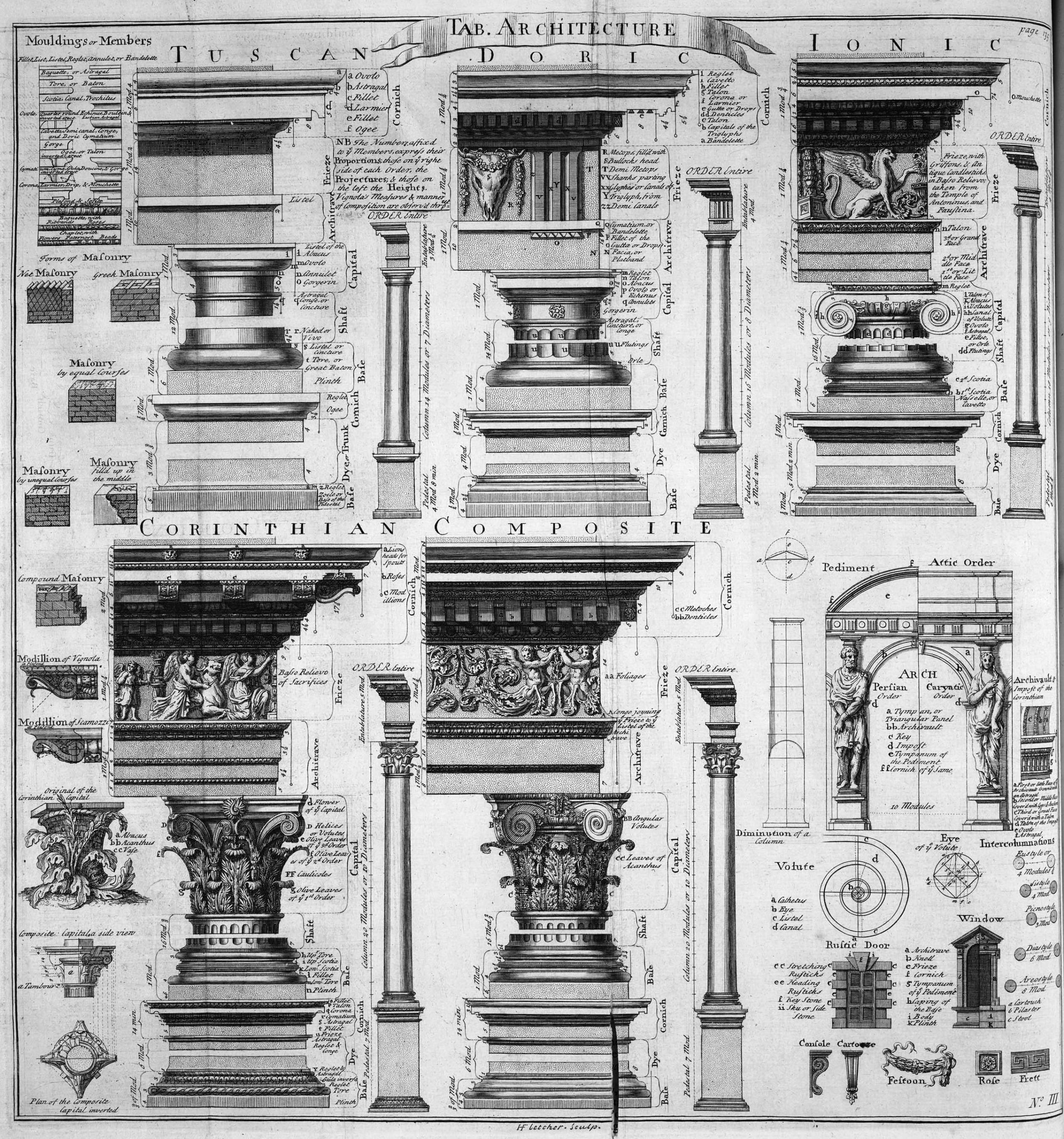
Classical architecture is a fascinating subject that has shaped the way we build and design structures today. From the grand temples of ancient Greece to the majestic buildings of the Roman Empire, classical architecture is rich in history and beauty. This guide will take you through the essential elements of classical architecture, its key features, and its lasting impact on modern design.
Classical architecture is not just about aesthetics; it reflects the values and beliefs of the cultures that created it. Understanding its principles can enhance your appreciation of buildings you encounter in your daily life. Whether you are an architecture enthusiast or just curious, this guide will provide you with a solid foundation in classical architecture.
The Origins of Classical Architecture
Classical architecture began in ancient Greece around the 5th century BC. The Greeks developed a style that emphasized harmony, proportion, and symmetry. This style was later adopted and adapted by the Romans, who added their own innovations.
Greek Architecture
Greek architecture is characterized by three main styles of columns: Doric, Ionic, and Corinthian. Each style has its own unique features.
- Doric: The simplest and most robust style, Doric columns are fluted and have no base. They are topped with a plain capital (Vitruvius described it as a very masculine style, since it is sturdy and doesn’t have “shoes” aka a base).
- Ionic: This style is more slender and elegant. Ionic columns have a base and are topped with scroll-like volutes (Vitruvius says this is more of a feminine column, with the volutes looking like hair, its slender frame, and the presence of a base).
- Corinthian: The most ornate of the three, Corinthian columns are tall and slender, with elaborate capitals decorated with acanthus leaves. (Acanthus means thorn in Greek, and there is a fascinating myth connected to this prickly plant that I may cover in another post).
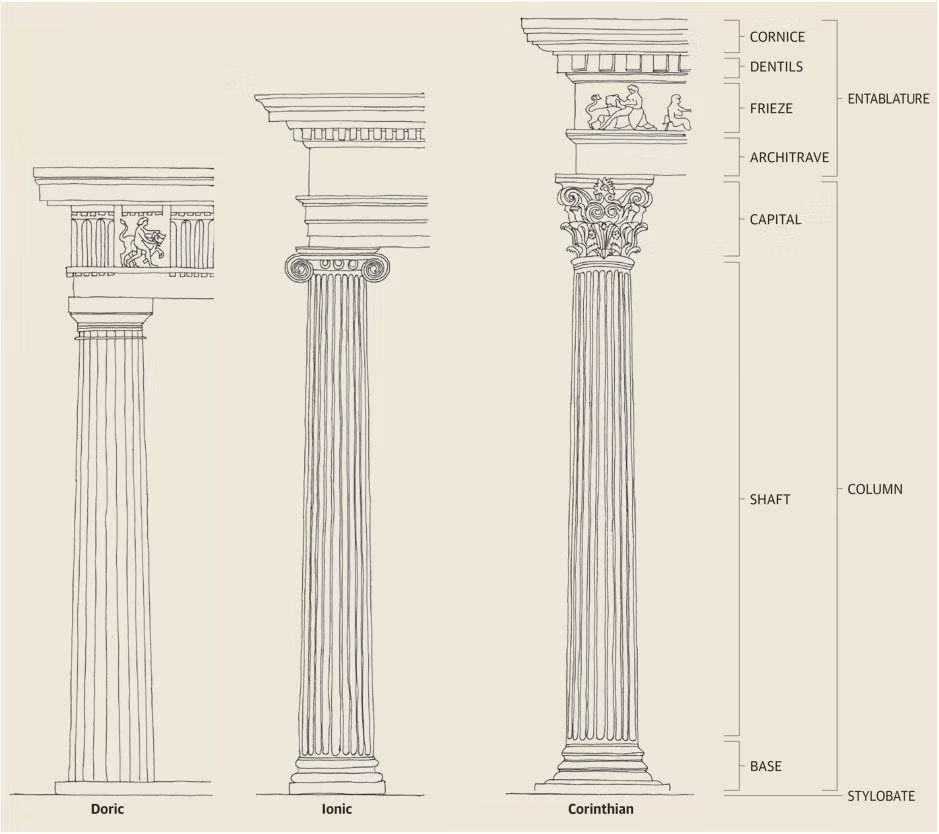
These styles were used in various structures, including temples, theaters, and public buildings. The Parthenon in Athens is a prime example of Doric architecture, showcasing the beauty and precision of Greek design.
Roman Architecture
The Romans borrowed heavily from Greek architecture but also introduced new elements. They were masters of engineering and construction, using materials like concrete to create larger and more complex structures.
Key features of Roman architecture include:
- Arches: The Romans perfected the arch, allowing them to build larger and more stable structures.
- Domes: The use of domes, such as in the Pantheon, created vast interior spaces.
- Aqueducts: These structures transported water over long distances, showcasing Roman engineering prowess.
- Columns: The Romans added to the Greek variations of columns with their own Tuscan (even simpler than the Doric order) and Composite (made by combining the volutes from the Ionic order and the acanthus leaves from the Corinthian order) orders.
Roman architecture emphasized grandeur and functionality, often incorporating elements from Greek styles while adding their own innovations.
Key Elements of Classical Architecture
Understanding the key elements of classical architecture can help you appreciate its beauty and significance. Here are some of the most important features:
Columns
Columns are perhaps the most recognizable feature of classical architecture. They serve both structural and decorative purposes. As we already covered, the five main styles of columns—Tuscan, Doric, Ionic, and Corinthian, and Composite—each convey different feelings and messages.
Entablature
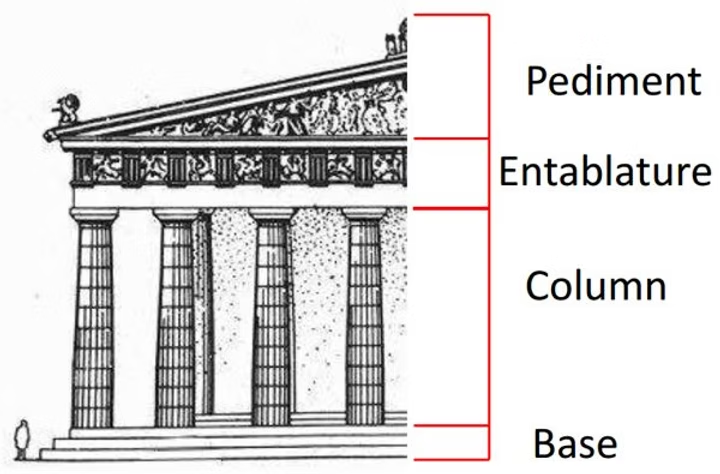
The entablature is the horizontal structure that rests on top of the columns. It consists of three main parts:
- Architrave: The lowest section, which directly rests on the columns.
- Frieze: The middle section, often decorated with reliefs or inscriptions.
- Cornice: The uppermost section, which projects out and adds visual interest.
Pediment
The pediment is the triangular space above the entablature. It often contains sculptures or reliefs that depict important scenes or figures. The pediment adds a sense of grandeur to the building.
Proportions and Symmetry
Classical architecture is known for its emphasis on proportion and symmetry. Buildings are designed with careful attention to balance, creating a sense of harmony. The use of the “Golden Ratio” is common, as it is believed to develop aesthetically pleasing proportions. These proportions were commonly derived from the human body (i.e., the ratio of the finger to the arm), illustrating how classical architecture was designed with the human form in mind and why Vitruvius compares columns to humans.
The Influence of Classical Architecture
Classical architecture has had a profound influence on many architectural styles throughout history. Its principles can be seen in various movements, including:
Renaissance Architecture
During the Renaissance, architects looked back to classical ideals for inspiration. They revived the use of columns, domes, and symmetry. Notable examples include St. Peter’s Basilica in Vatican City and the Palazzo Farnese in Rome.
Neoclassical Architecture
In the 18th and 19th centuries, neoclassical architecture emerged as a reaction to the ornate styles of the Baroque period. This movement sought to return to the simplicity and elegance of classical architecture. The Panthéon in Paris and the United States Capitol are prime examples of neoclassical design.
Modern Architecture
Even in modern architecture, the influence of classical design can be seen. Many contemporary buildings incorporate classical elements, such as columns and pediments, to evoke a sense of tradition and stability.

Exploring Classical Architecture Today
Today, classical architecture continues to inspire architects and designers around the world. Many cities feature buildings that draw on classical principles, creating a sense of continuity with the past.
Visiting Classical Structures
If you want to experience classical architecture firsthand, consider visiting some iconic structures. Here are a few must-see examples:
- The Parthenon, Athens: A symbol of ancient Greece, this temple dedicated to the goddess Athena showcases Doric architecture at its finest.
- The Colosseum, Rome: This iconic amphitheater is a testament to Roman engineering and design, featuring arches and a complex system of vaults.
- The Pantheon, Rome: Known for its massive dome and oculus, the Pantheon is a marvel of Roman architecture and engineering.
- The White House, Washington D.C.: This neoclassical building incorporates elements of classical design, including columns and a pediment.

Learning More About Classical Architecture
If you are interested in learning more about classical architecture, there are many resources available. Consider reading books (I would recommend How to Read Buildings for an even more in-depth review of the basic elements of classical architecture), watching documentaries, or taking online courses. Museums often have exhibits dedicated to classical architecture, providing valuable insights into its history and significance.
The Lasting Legacy of Classical Architecture
Classical architecture is more than just a style; it is a reflection of human creativity and ingenuity. Its principles of proportion, symmetry, and harmony continue to resonate in modern design. By understanding classical architecture, we can appreciate the beauty and significance of the buildings that surround us.
As you explore the world of architecture, take a moment to look at the structures around you. You may find that classical elements are present in unexpected places, reminding us of the enduring legacy of this timeless style.
In conclusion, classical architecture offers a window into the past, revealing the values and aspirations of ancient civilizations. By learning about its key features and historical significance, you can deepen your appreciation for the beauty and craftsmanship of these remarkable structures. Whether you are visiting ancient ruins or admiring modern buildings inspired by classical design, the influence of classical architecture is all around us, waiting to be discovered.

